
House?
The History of House
From the basement of The Warehouse in Chicago to a global culture — a journey through the rhythm that changed the night forever.
House music is not just a genre — it is a ritual of collective energy. Born in late-1970s Chicago, it blends disco soul, electronic machines, and uncompromising dance-floor intensity. Four on the floor, hands in the air, lights in the haze — and the feeling that the music belongs to everyone in the room.
The name House comes from the club The Warehouse, where Frankie Knuckles turned the booth into an altar — and a whole generation discovered that the night could sound like utopia.
Genre Timeline
-
1977–1983
Chicago: The Warehouse
Disco dies on the radio, but in underground rooms something new is born — more mechanical, more hypnotic, more direct for the body.
-
1980–1987
New York: Paradise Garage
Larry Levan turns the Garage into a temple of audiophile groove — long mixes, emotional vocals, perfect acoustics.
-
1986–1989
Piano House & Music Box
Marshall Jefferson and Ron Hardy expand the language — piano refrains, raw 909 drums, ecstatic drops.
-
1988–1995
UK, Acid & Global Explosion
From Manchester to Ibiza — house becomes a global language. Rave culture carries the genre into stadiums and festivals.
-
1995–present
Deep, Tech & Progressive
The genre branches out without losing its soul. Today house is club, radio, and 24/7 stream — including DJ ZONE.
Legends of House
Architects of sound whose sets defined generations. Profiles in the spirit of an audiophile magazine — past and present in one rhythm.
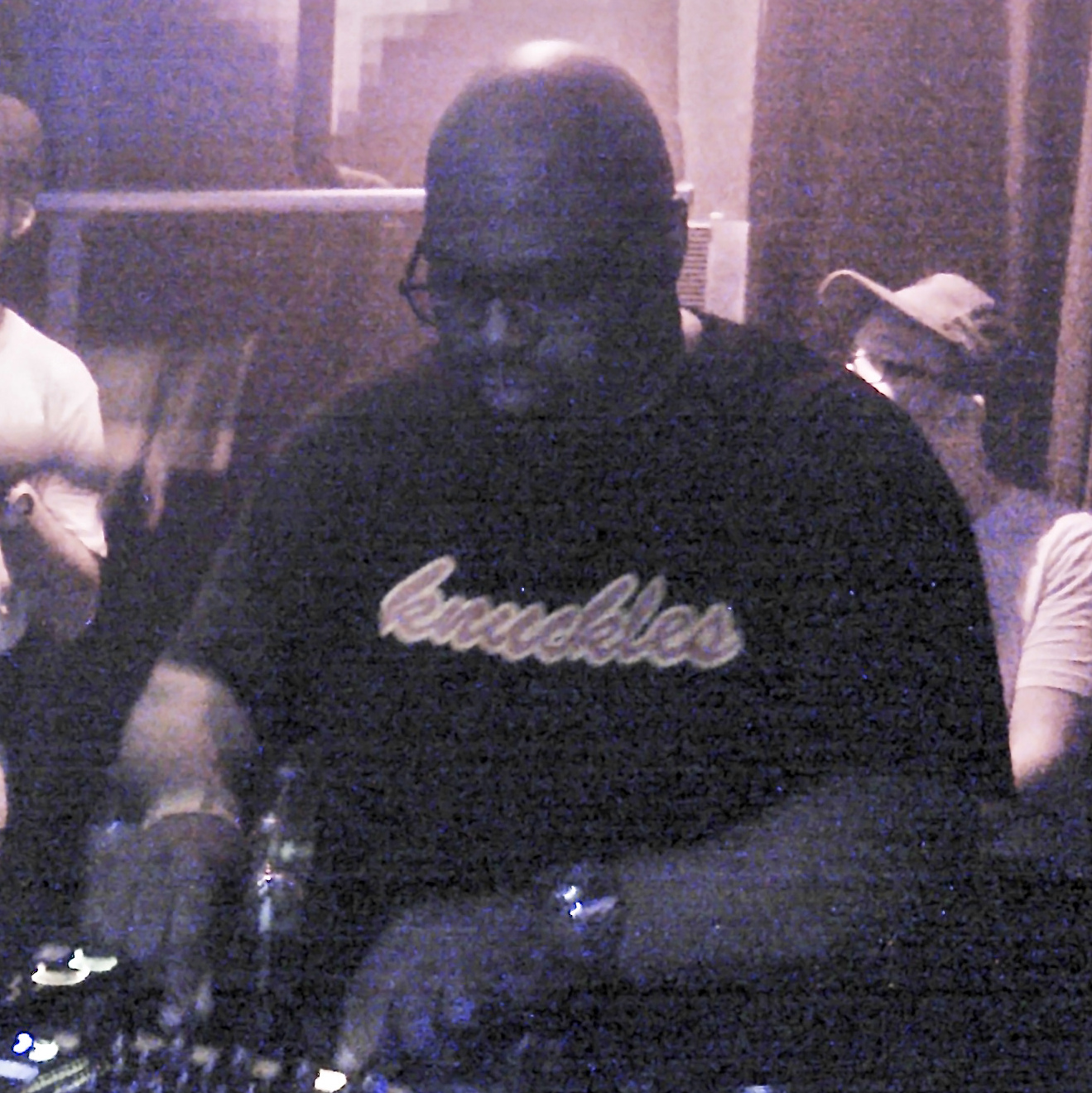
Frankie Knuckles
The Godfather of House. At The Warehouse, Knuckles crafted emotional, extended transitions that turned disco into something deeper and more mechanical. His groove is the foundation on which the entire genre stands.
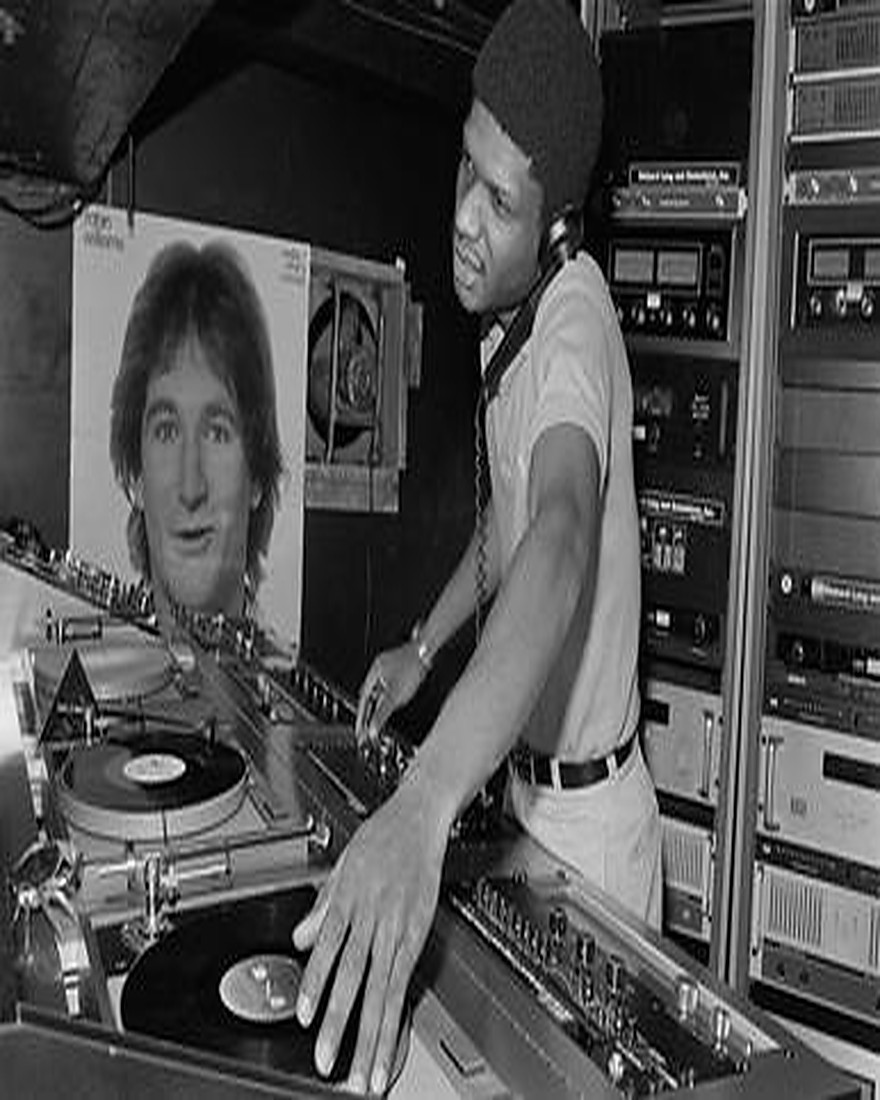
Larry Levan
Maestro of Paradise Garage — a space where sound was religion. Levan mixed with soul: vocals, dub echo, synthesizers, and endless energy building, inspiring deep house forever.
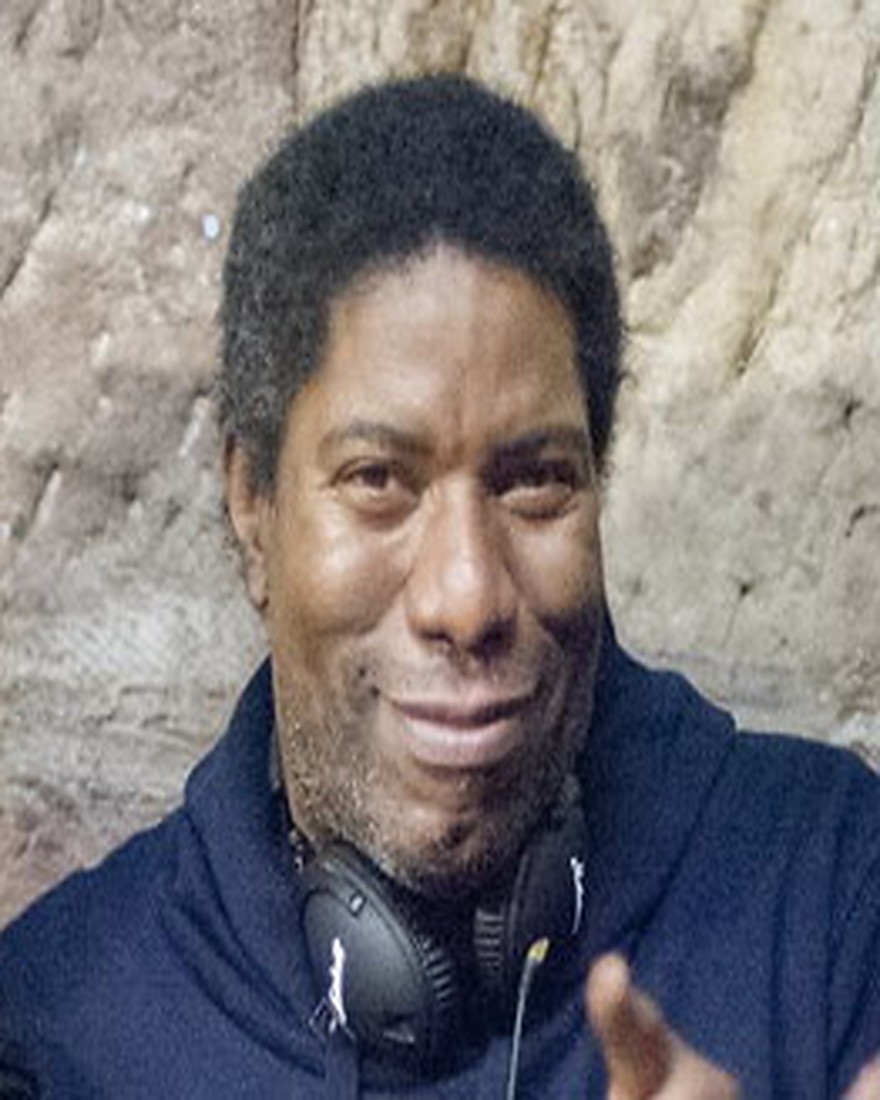
Marshall Jefferson
The innovator of piano house. With tracks like “Move Your Body,” Jefferson added gospel emotion and keyboard chords to the mechanical Chicago sound — the moment house became an anthem for stadiums too.
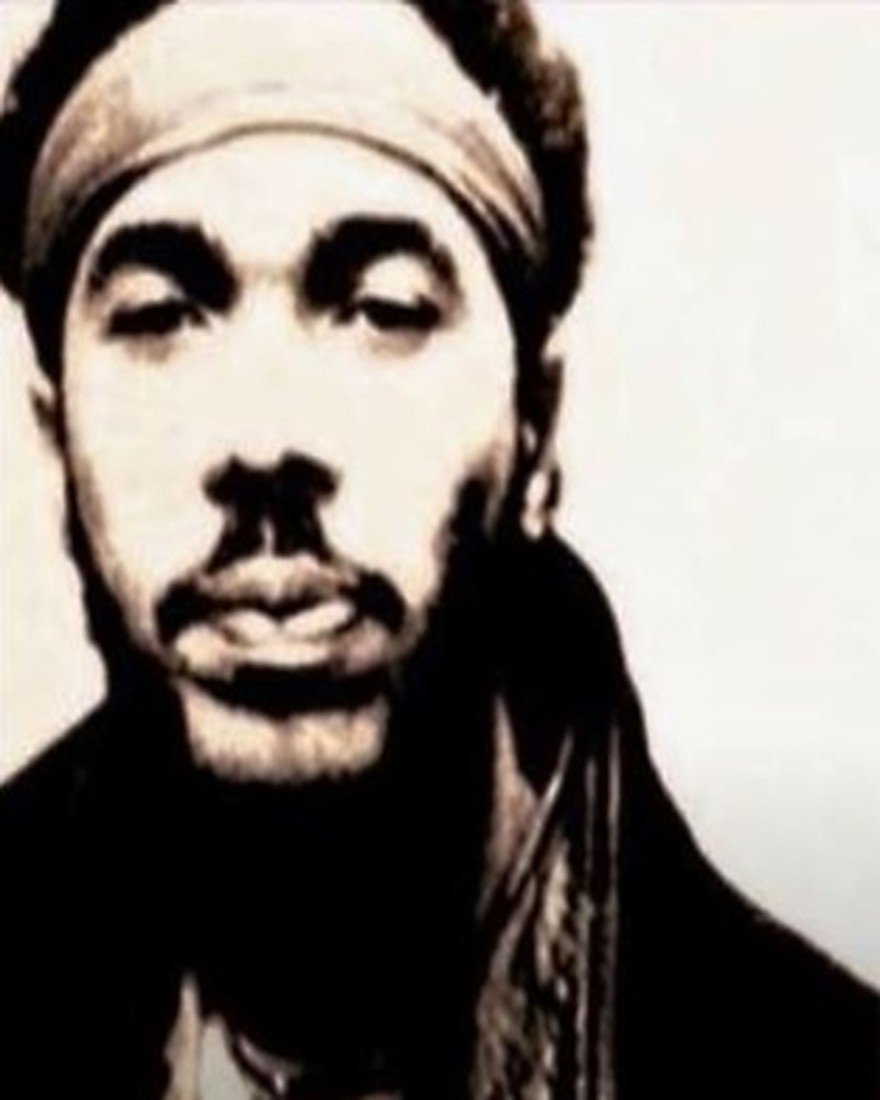
Ron Hardy
At Music Box, Hardy played raw, fast, and without rules — incoming acid lines, experimental edits, risk at the edge. His boldness opened the door to underground culture and rave aesthetics.
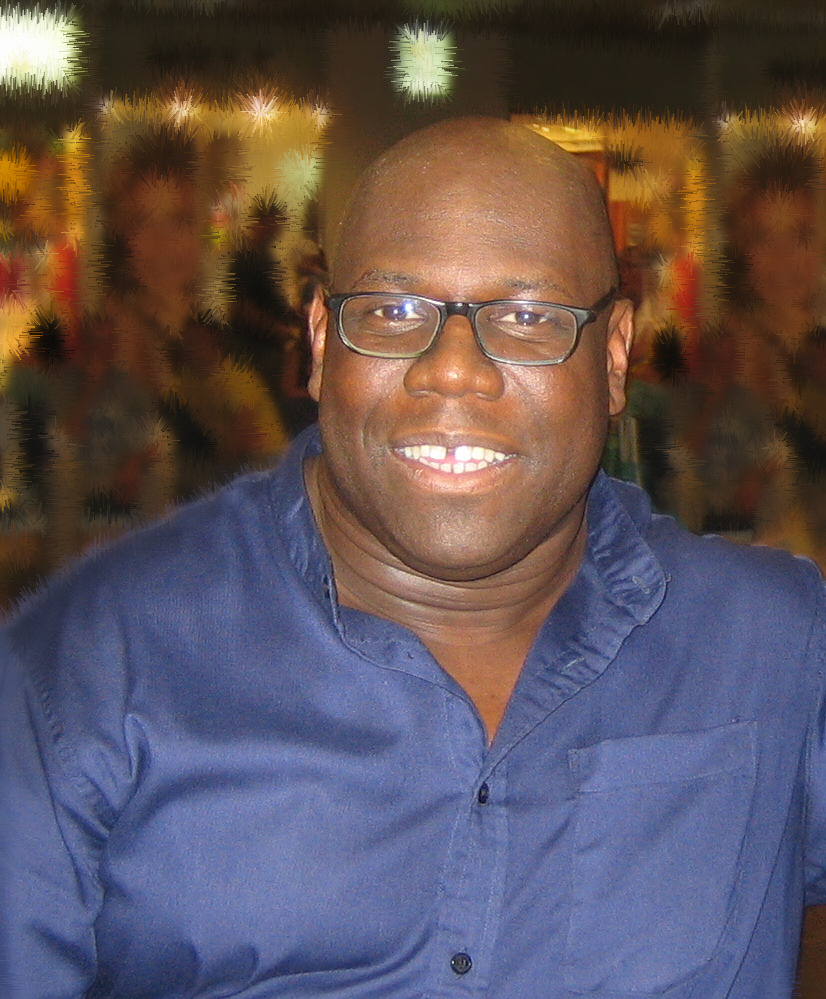
Carl Cox
Ambassador of house on a global scale. Three decades of sets, a perfect trio of technique, energy, and respect for the roots — from warehouse to the main stage at Space Ibiza.
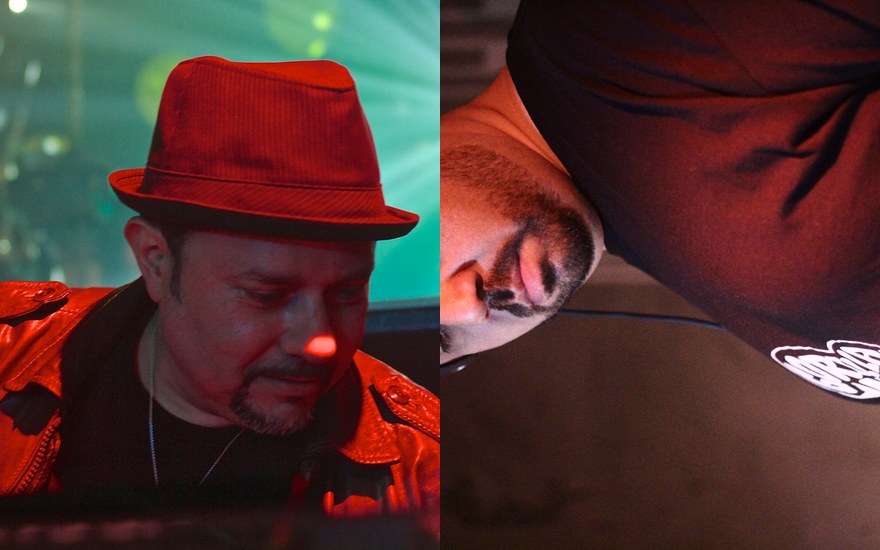
Carl Cox & Masters at Work
Masters at Work (Louie Vega & Kenny “Dope” Gonzalez) bring Latin soul, jazz, and garage into mainstream house. Together with artists like Carl Cox, they turn the genre into a global language — from New York to Tokyo, from Plovdiv to Ibiza.
House is alive. House is here.
History is not a museum — it spins at 33⅓ and 128 BPM every night. On DJ ZONE you hear the legacy of Chicago, Garage, and Ibiza in one continuous, professionally curated stream.